Home value factors are not always obvious, and that’s exactly what this example shows. Here’s what the Brady Bunch House Gets Right About Real Estate Value.
When a home becomes part of culture, it stops being just real estate.
The Brady Bunch house is one of those rare properties. Recognizable, familiar, and tied to memory in a way most homes never will be.
But what makes it interesting is not the nostalgia. It is what happened after.
The owner did not just purchase a property. She rebuilt an experience.
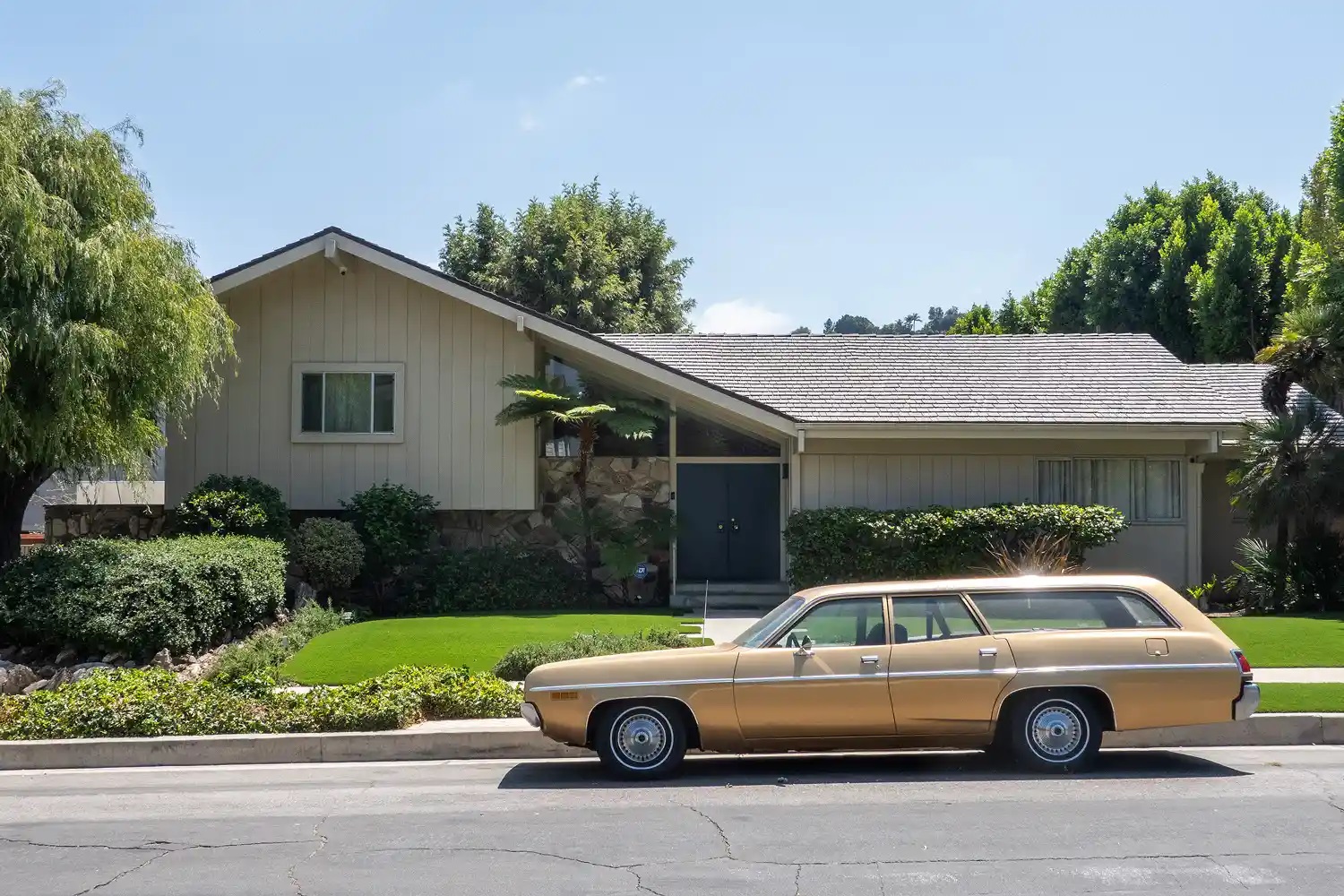
It Was Never About the Structure
The house itself had already gone through major renovations before changing hands.
What came next was different.
The owner focused on recreating the interior exactly as people remembered it from the show. That meant sourcing hundreds of items tied to specific scenes, from furniture and décor to the small details that made the home feel familiar.
Not close. Exact.
That level of detail took years. It also shows something important about real estate.
Structure gives you the asset. Experience creates attachment.
The Gap Between Similar and Right
One of the biggest challenges was not simply finding items. It was finding the right items.
A chair that looks similar is not the same as the chair people remember. A replica is not the same as the original. That gap matters.
In real estate, buyers feel that difference quickly, even when they cannot explain it.
You see it in showings all the time. A renovated home may look good but feel disconnected. A staged space may be polished but not believable. Finishes may be trendy but out of step with the home itself.
Close is not what people respond to.
Alignment is.
Emotional Memory Drives Perceived Value
The goal behind recreating the home was simple. When someone walks in, it should feel like stepping into the show.
That is not just a design decision. It is a value strategy.
People do not assign value based on square footage alone. They assign value based on recognition, familiarity, confidence, and emotional response.
That applies directly to how homes sell.
Buyers connect faster to homes that feel complete. Spaces that tell a clear story reduce hesitation. Emotional clarity can shorten decision timelines because the buyer understands the home immediately.
Time, Precision, and Restraint
Recreating the interiors was not fast. It required patience and a willingness to leave things unfinished until they were right.
That is where many real estate decisions go sideways.
People rush to finish instead of finishing well.
That can show up as over-renovating without a clear end user, mixing styles that dilute the overall feel, or choosing what is available instead of what actually belongs in the home.
Precision is slower, but it protects value.
What This Means for Buyers and Sellers
This is not really about a television home. It is about how people make decisions around real estate.
If you are selling, the goal is not to make a home look expensive. The goal is to make it feel intentional. Buyers should understand the home quickly and feel confident about how it lives.
If you are buying, pay attention to how a home feels, not just how it looks. Surface finishes matter, but alignment matters more. A home that makes sense usually reveals itself quickly.
The Takeaway
Most homes will never be culturally iconic. That is not the point.
The lesson is simpler.
People do not just buy properties. They buy clarity, feeling, and certainty.
The Brady Bunch house just makes that easier to see.
Next Steps
If you are preparing to sell in Simcoe County, or trying to understand what your home is actually worth in today’s market, start with clarity.
Not just what you have done to the home, but how it will be understood by the next buyer.
That is the difference between listing and positioning.
If you want a direct read on that before you make your next move, reach out.
For more value, review our resources pages