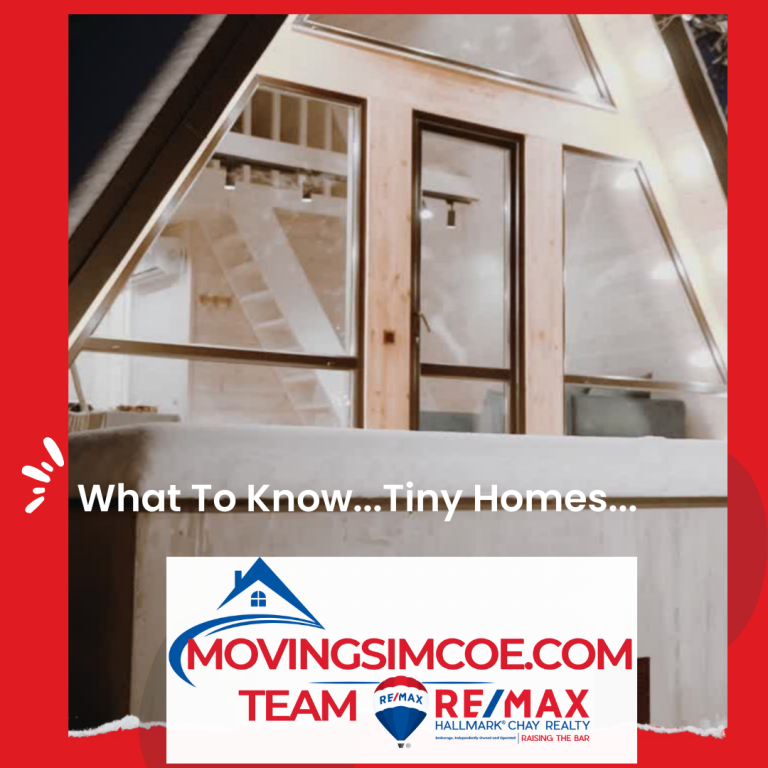
Tiny Homes in Simcoe County: Opportunity or Overhyped?
Tiny homes are not a trend here by accident. Across Simcoe County — including Barrie, Innisfil, Oro-Medonte, and surrounding municipalities — housing affordability, aging-in-place needs, and investor demand for secondary income streams are driving renewed interest in micro-living and additional residential units.
As real estate advisors working daily with buyers, homeowners, and investors in Simcoe County, we see tiny homes less as a lifestyle statement and more as a planning, zoning, and feasibility conversation. When done correctly, they can support multigenerational living, downsizing strategies, or long-term rental income. When done incorrectly, they become expensive mistakes.
Why Tiny Homes Are Gaining Momentum in Simcoe County
- Affordability pressure: Rising prices across Barrie and surrounding communities are pushing homeowners to explore alternative housing solutions.
- Secondary dwelling demand: Families are looking for space for aging parents, adult children, or caregivers without leaving their neighbourhood.
- Investor strategy: Where zoning allows, additional dwellings can support long-term rental income or future flexibility.
- Municipal policy shifts: Local governments are gradually adjusting zoning frameworks to address housing supply — though each municipality applies rules differently.
This is why location matters. A tiny home that works in one Simcoe County municipality may be prohibited or heavily restricted in another.
The Reality Check: Zoning, Trees, and Compliance
Tiny homes are not automatically permitted, even on large lots. In places like Barrie, setbacks, servicing, lot coverage, and tree preservation bylaws often determine feasibility.
We routinely see well-intentioned homeowners discover late in the process that a protected tree, lot line setback, or neighbour consent requirement stops a project entirely. These are not theoretical risks — they are common.
This is why early advisory matters. Tiny homes should never be approached as a prefab purchase first and a zoning question second.
Living in a Tiny Home: Pros and Constraints
From a lifestyle perspective, tiny home living requires clarity and honesty.
Potential Advantages
- Lower build and operating costs compared to traditional homes
- Energy efficiency and reduced environmental footprint
- Minimal maintenance and faster upkeep
- Intentional living with less clutter
Practical Constraints
- Limited storage and accessibility challenges
- Privacy limitations, especially with loft sleeping areas
- Entertaining space is reduced
- Daily tidiness becomes essential due to visual exposure
For many clients, the strongest use case is not primary living, but supplemental housing or investment flexibility.
Our Advisory Perspective
Tiny homes are neither a silver bullet nor a fad. In Simcoe County, they are a site-specific planning decision. The success of a tiny home depends on zoning, servicing, neighbourhood context, long-term use, and resale implications.
Our role is not to sell an idea — it is to evaluate whether it works on your property, in your municipality, for your goals.
We regularly coordinate with planners, surveyors, builders, and municipal staff to help clients assess:
- Whether a tiny home or additional dwelling is permitted
- What approvals are required
- How it impacts value, financing, and resale
- Whether it aligns with long-term investment strategy
Thinking About a Tiny Home in Simcoe County?
If you are considering a tiny home for yourself, a family member, or as an investment, start with the land — not the structure.
Connect with the MovingSimcoe.com team for a confidential advisory conversation. We’ll help you understand what is realistic, compliant, and financially sound before you commit.
If you want to review some of our listings, they’re available here online
Happy buying. Happy investing.