Why Does the WNBA Seem to Be Doing More Than the PWHL?
WNBA vs PWHL – Women Sports | When news broke about the Toronto Tempo building a world-class performance centre, the reaction was immediate:
Why does it feel like the WNBA is investing at a completely different level than the PWHL?
It’s a fair question. On the surface, it can look like one league is being prioritised over another.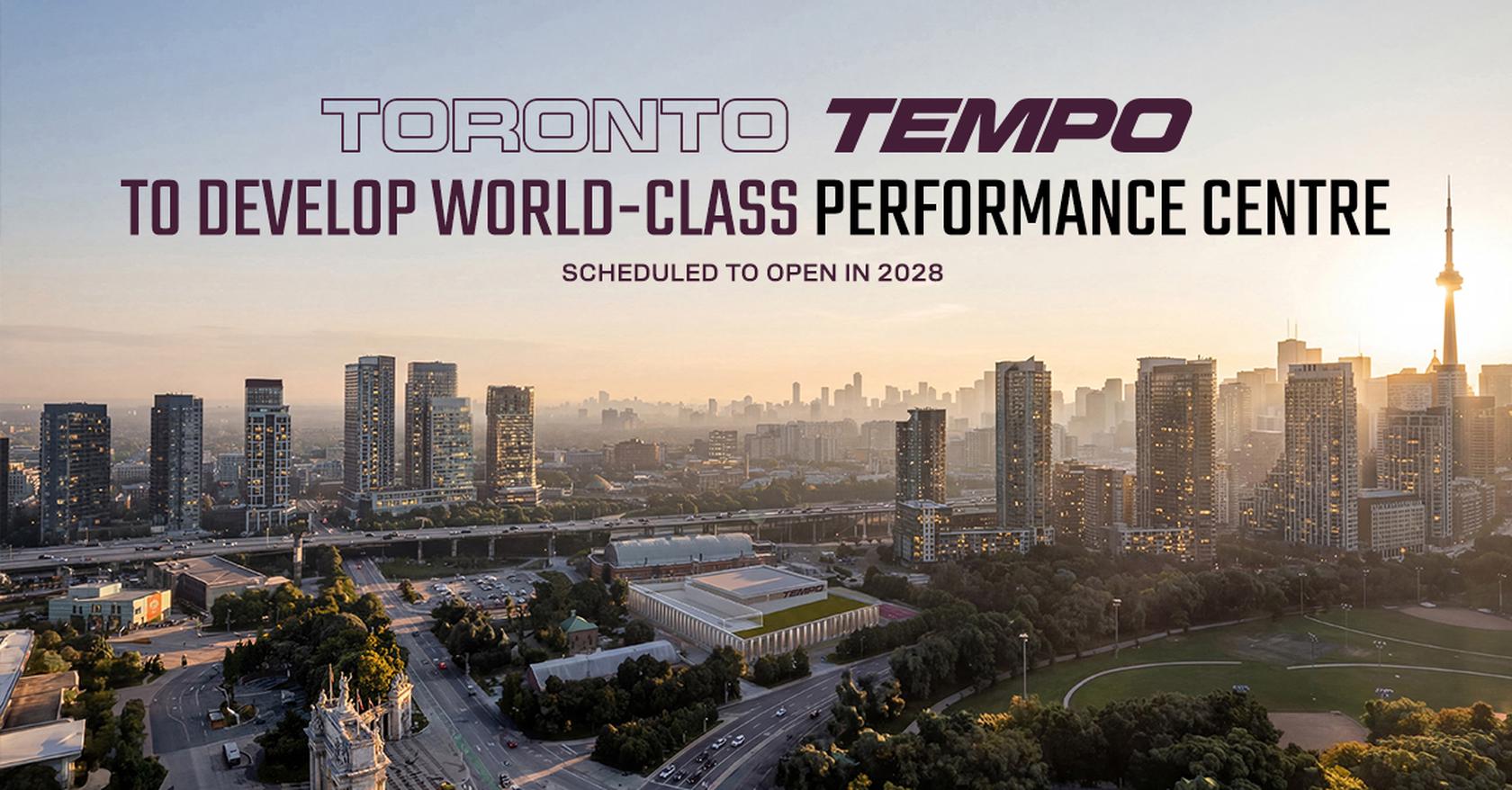
But that’s not actually what’s happening.
This comes down to timing, structure, and strategy.
Toronto Tempo Performance Centre (What’s Actually Being Built)
According to the official press release, the Toronto Tempo is developing a high-performance, athlete-first environment designed to support training, recovery, and day-to-day performance at an elite level.
This includes purpose-built spaces focused on strength, conditioning, and overall athlete wellbeing, setting a new benchmark for professional women’s sport facilities.
1. They’re Not at the Same Stage. Not Even Close.
The WNBA launched in 1996. The PWHL launched in 2024.
That’s not a small gap. That’s an entire business lifecycle.
The WNBA has had decades to:
- Build sponsorship relationships
- Secure broadcast deals
- Grow fan bases across multiple markets
- Learn, fail, and rebuild
The PWHL is still in its first chapter.
Right now, it’s proving something very basic: can this league sustain itself long term?
Before you build facilities, you prove the model.
2. Ownership Structure Changes Everything
The Toronto Tempo isn’t just a team. It’s backed by private ownership and major investors.
That means:
- Independent budgets
- Market-driven spending
- Competition between teams for talent and visibility
The PWHL operates differently.
It’s centrally owned. One ownership group controls the league.
That creates:
- Cost control
- Standardised operations
- Less risk of teams overspending and collapsing
It also means fewer big splash investments early on.
Not because they don’t want to. Because they’re choosing not to. Yet.
3. Revenue Dictates Reality
Facilities follow money.
The WNBA is entering a growth surge:
- Rising media deals
- Expansion momentum
- Increased visibility and cultural relevance
The PWHL is still building its revenue streams:
- Ticket sales are strong
- Broadcast is growing
- Sponsorship is developing
But it’s not diversified at scale yet.
Until that happens, you don’t build performance centres. You build stability.
4. The WNBA Is Competing in an Arms Race
Right now, the WNBA is fighting for:
- Elite athletes
- Global attention
- Long-term legitimacy as a top-tier professional league
Facilities are part of that.
They signal professionalism, investment, and long-term commitment.
This is not about optics. It’s about positioning.
The message is clear: this is elite.
5. The PWHL Is Playing the Long Game
The PWHL is building carefully.
- Structured contracts
- Controlled expenses
- League-wide consistency
Less flashy. More sustainable.
This model is designed to avoid the instability women’s hockey has seen before.
6. Toronto Isn’t Just a Team. It’s a Statement
The Toronto Tempo is the WNBA’s first team outside the United States.
This isn’t just expansion. It’s international positioning.
- Market credibility
- Corporate partnerships
- Global visibility
It’s a signal: this league is scaling.
So, Is the WNBA “Doing More”?
No.
It’s doing what a mature league does.
And the PWHL is doing what a smart early-stage league should do.
The Real Question
Not why the gap exists.
How quickly it closes.
Because if:
- Attendance continues
- Media rights expand
- Sponsorship deepens
Then the next phase for the PWHL is obvious:
- Infrastructure
- Facilities
- Player investment
And when that shift happens, it won’t be subtle.
Final Thought
- The WNBA is scaling.
- The PWHL is stabilising.
- Both are necessary.
- And both are moving faster than most people realise.