Evaluating a Turnkey Franchise Business in Barrie
What buyers should weigh when comparing franchise ownership to building independently
Buying an operating franchise business is a different decision than starting a business from scratch. For many buyers, it’s less about “the dream” and more about structure: location, systems, cash flow potential, and the speed at which an operation can be stabilised.
This post is a practical reference for buyers assessing a turnkey franchise model, including a clear pros and cons comparison against creating an independent business.
We Have An Opportunity – Here it is at a Glance
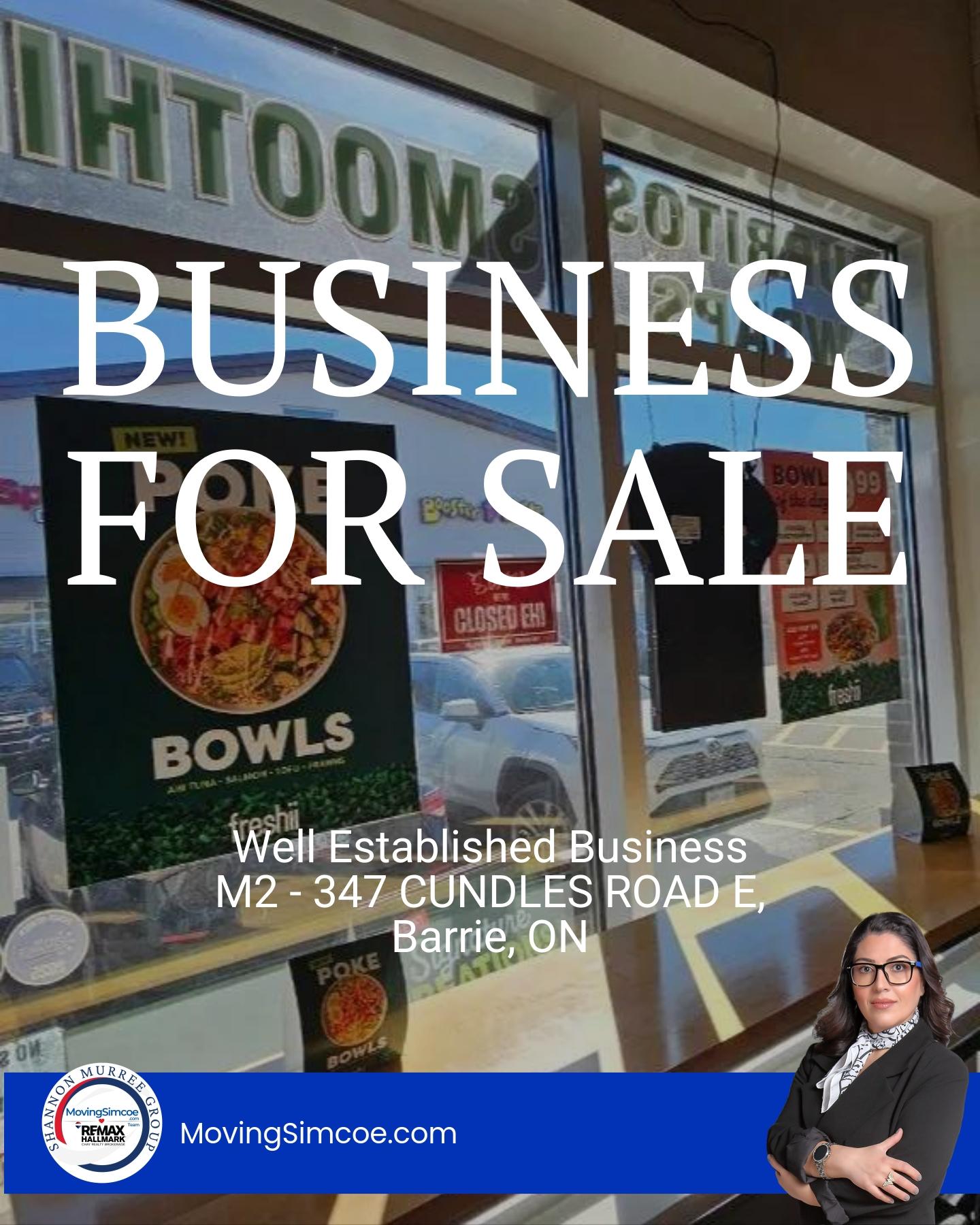
This established fast-food franchise operates in a high-traffic Barrie commercial corridor near Highway 400 and Georgian College, with daily exposure supported by nearby anchors including Cineplex, Zehrs, and LA Fitness. The location is positioned for steady year-round demand rather than seasonal spikes.
The business is fully built out and operating within an established franchise system. Equipment, layout, and core operating processes are already in place, reducing early-stage execution risk compared to a new venture.
Listing details:
View the full listing and details here
Why Buyers Consider Turnkey Franchise Models
Turnkey franchise acquisitions often appeal to buyers who value predictability and systems over building everything from zero. Common reasons include:
- Speed to operation: an existing operation can reduce the runway to revenue versus a startup
- Operating structure: training, procedures, and supplier relationships are typically established
- Brand recognition: customer behaviour may already be proven within the market
- Decision clarity: buyers can evaluate the opportunity using historical performance and defined operating parameters
This structure can be particularly relevant for portfolio-minded buyers, or first-time owners who want support and guardrails rather than trial-and-error.
Franchise Ownership vs Starting Your Own Business
A practical pros and cons comparison
| Consideration | Buying an Established Franchise | Starting an Independent Business |
|---|---|---|
| Speed to Operation | Immediate or near-immediate operation with systems in place | Often delayed due to concept development, permits, build-out, hiring, and launch |
| Startup Risk | Lower execution risk due to a proven model | Higher risk during early stages while testing concept and processes |
| Brand Recognition | Built-in brand awareness and customer familiarity | Must be created from scratch |
| Systems & Processes | Established operating procedures, training, and support | Owner must design, document, and refine all systems |
| Upfront Costs | More predictable and defined | Frequently variable and prone to overruns |
| Ongoing Fees | Royalties and marketing contributions | No royalties, but higher trial-and-error costs and longer runway |
| Operational Flexibility | Governed by franchise standards and guidelines | Full control over operations, branding, pricing, suppliers, and promotions |
| Learning Curve | Shorter, with training and support provided | Longer, dependent on owner experience and iteration |
| Scalability | Often system-driven and easier to replicate | Depends heavily on owner capacity and custom systems |
| Financing & Underwriting | Often easier due to structure and operating history | More challenging without operating history or comparable benchmarks |
| Exit Strategy | Resale subject to franchise approval and rules | More flexible, but valuation may be less predictable |
Trade-offs to Weigh Before You Commit
Franchise ownership isn’t “hands-off,” and turnkey doesn’t mean “no risk.” The practical trade-offs typically come down to:
- Compliance: you operate within brand standards, not personal preference
- Fees: ongoing royalties and marketing contributions must be weighed against the support and brand value received
- Flexibility: menu, pricing, suppliers, and promotions may be controlled or restricted
- Transfer rules: resale timelines and buyer approvals can be influenced by franchisor requirements
For some buyers, those constraints are a deal-breaker. For others, they function as guardrails that support consistency and reduce operational volatility.
Due Diligence: The Non-Negotiables
Financial information is typically available to qualified buyers. Regardless of experience level, business acquisitions should be pressure-tested with careful review of:
- Financial statements and owner add-backs (where applicable)
- Lease terms, renewal options, and assignment clauses
- Franchise agreement terms, fees, and transfer requirements
- Training obligations and operating standards
- Equipment lists, maintenance history, and replacement timelines
All inquiries and viewings should be arranged through a representative. Avoid approaching staff directly.
View the Listing
M2 – 347 Cundles Road E, Barrie (Little Lake)
Price: $369,000
View the full listing and details
Connect with a member of our team today if looking to buy or invest in Barrie