Renting vs Buying a Home in Canada: How to Decide What Fits
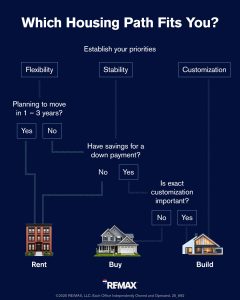
Looking for your next place to call home in Canada? Whether you are renting, buying, or building, the first step is to understand your priorities.
The right decision depends on your finances, timeline, lifestyle, risk tolerance, and local market conditions. Renting is not automatically wasting money. Buying is not always the best financial move. The better question is: which option supports your life right now and your goals over time?
At The Murree Group | MovingSimcoe.com Team with REMAX Hallmark Chay Realty Brokerage, we help clients look at the full picture before making a housing decision.
The Canadian Housing Landscape Has Changed
Buying a home used to feel like the default next step. Today, the decision is more layered.
Home prices, mortgage rates, rent levels, down payment requirements, job mobility, family needs, and local supply all affect the rent versus buy conversation.
Because of that, buyers and renters need to compare more than monthly payments. They also need to consider stability, flexibility, long-term cost, cash flow, and future plans.
Renting a Home in Canada
Renting can make sense when flexibility matters.
It may be a good option if you are changing jobs, relocating, studying, rebuilding savings, paying down debt, or unsure how long you want to stay in one place.
Renting can also reduce responsibility. You may not have to manage major repairs, property taxes, maintenance, or unexpected ownership costs.
However, renting also has limits. You do not build equity through rent payments. You may have less control over the space. In some situations, rent increases, landlord decisions, or future availability can affect your stability.
Buying a Home in Canada
Buying can offer stability, control, and the opportunity to build equity over time.
Homeownership may be the right fit if you have stable income, enough savings, a clear budget, and a plan to stay in the property long enough to make the costs worthwhile.
Owning can also give you more control over renovations, pets, family needs, accessibility changes, outdoor space, and long-term planning.
Still, buying comes with responsibility. Mortgage payments, property taxes, insurance, utilities, repairs, maintenance, condo fees, legal costs, land transfer tax, and moving expenses all need to be reviewed before you decide.
The 5% Rent Versus Buy Rule
The 5% rule is one simple way to compare renting and buying.
It estimates the annual unrecoverable cost of owning a home at roughly 5% of the property value. This can include costs such as property taxes, maintenance, and the opportunity cost of your down payment.
For example, if a home costs $600,000, 5% equals $30,000 per year, or about $2,500 per month.
- If comparable rent is well below $2,500 per month, renting may make more financial sense in the short term.
- If comparable rent is close to or above that amount, buying may deserve a closer review.
- If you plan to stay long term, ownership may become more attractive over time.
This rule is only a starting point. It does not replace a full review of mortgage costs, closing costs, taxes, repairs, condo fees, lifestyle needs, or market risk.
Rent Versus Buy Depends on the Local Market
Canada is not one housing market.
Toronto, Vancouver, Calgary, Ottawa, Barrie, Innisfil, Orillia, Oro-Medonte, and other communities can all have very different price points, rent levels, inventory, and long-term growth patterns.
In higher-cost markets, renting may offer more flexibility and lower upfront cost. In more affordable markets, buying may be more achievable, especially for people with stable income and a longer timeline.
Local context matters. A rent versus buy decision should be based on the community you are actually considering, not national headlines.
Buying a Condo Versus Renting an Apartment
Condos can be attractive for buyers who want ownership with less exterior maintenance. They may also offer urban convenience, amenities, and a lower purchase price than some detached homes.
However, condo ownership includes monthly condo fees, rules, reserve fund considerations, special assessment risk, and shared decision-making.
Renting an apartment may offer more flexibility and fewer ownership responsibilities. However, it may also provide less control over renovations, pets, long-term security, and future housing costs.
Before choosing, compare the full cost of both options.
What to Include in a Rent Versus Buy Calculator
A rent versus buy calculator can help, but only if the numbers are realistic.
When comparing options, include:
- monthly rent
- purchase price
- down payment
- mortgage payment
- interest rate
- closing costs
- land transfer tax
- legal fees
- property taxes
- home insurance
- condo fees, if applicable
- maintenance and repairs
- utilities
- moving costs
- emergency savings after closing
Also review non-financial factors. Your timeline, family needs, work plans, commute, lifestyle, accessibility needs, and comfort with responsibility all matter.
Questions to Ask Before You Decide
- How long do I plan to stay in this community?
- Do I need flexibility over the next few years?
- Is my income stable enough for ownership?
- Do I have enough savings after the down payment?
- Can I handle repairs and surprise costs?
- Would renting help me pay down debt or save more?
- Would buying give me the stability I need?
- What does the local market actually support?
Making the Decision
Start with the numbers. Then look at your life.
If you value flexibility, renting may be the better choice right now. If you want stability, control, and long-term ownership, buying may be worth exploring.
In some cases, waiting can be strategic. In other cases, buying sooner may make sense. The right answer depends on your goals, your budget, and your local market.
The key is to make the decision with clarity, not pressure.
Ready to Review Your Options?
The rent versus buy decision is personal and local.
At The Murree Group | MovingSimcoe.com Team with REMAX Hallmark Chay Realty Brokerage, we help clients compare options across Barrie, Innisfil, Orillia, Oro-Medonte, and surrounding Simcoe County communities.
You can browse current listings here:
Browse listings
To talk through your next move, connect with us here:
Schedule a confidential conversation
More than real estate. Building stronger, more inclusive communities.
Disclaimer: This content is for general information only and does not constitute legal, financial, mortgage, tax, or investment advice. Always speak with qualified professionals before making housing or financial decisions.